
Wine Cooler Installation Doncaster
Free Consultation
01302-490-277
A wine cooler is one of the trickier built-in appliances to fit properly. Unlike a fridge, it needs to draw air in and push it back out through the front rather than the back or sides, so before a compact single-zone unit or a larger dual-zone model goes anywhere near the cabinet, the ventilation has to be checked or cut in. Get that wrong and the compressor works harder than it should, which shortens the life of the unit and can leave bottles sitting a few degrees warmer than the display suggests. We fit built-in and freestanding wine coolers into existing kitchen cabinetry, running a dedicated electrical circuit where the current supply isn't up to it and matching door panels so a built-in unit sits flush with the rest of the run rather than looking added on.
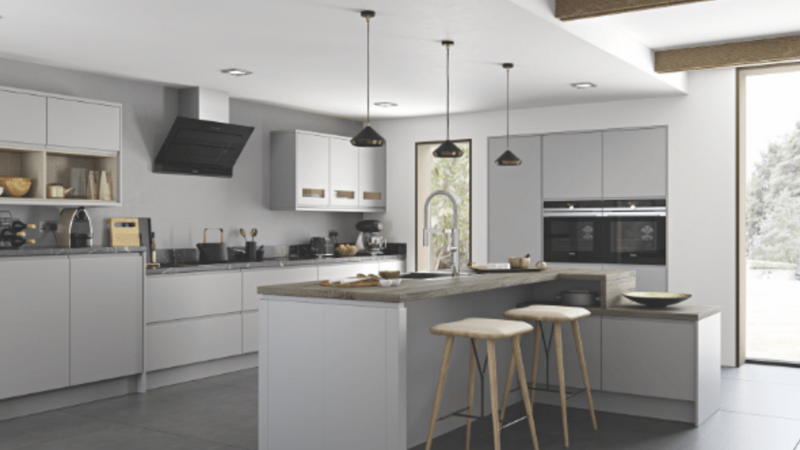
If the cooler is going in alongside other appliance work, such as integrated kitchen appliances elsewhere in the kitchen, we can plan the electrics and cabinetry for both jobs in the same visit. Vibration is the other thing people rarely think about until it becomes a problem. A compressor-based cooler wedged too tightly into a cabinet, or screwed down rigid the way a dishwasher might be, can pass low-level vibration into stored bottles over months, which is why the feet need proper clearance and isolation rather than a dead-flush fit. Direct sunlight through a nearby window or roof light causes a slower version of the same story, degrading wine through a glass door over a season rather than overnight, so if a unit is going somewhere that gets strong light for part of the day, that's something we flag at the site visit rather than after a summer's gone by. What surprises a lot of people is how much difference a few centimetres of clearance makes to how loud a cooler ends up in daily use. A compressor unit sat hard against a cabinet base or a rigid worktop upstand transmits its running noise into the surrounding joinery, so in an open-plan kitchen or a run of cabinets backing onto a living space, getting that isolation right at the fitting stage is the difference between a cooler you never notice and one that hums audibly every time it cycles.
Ventilation, Wiring and Cabinet Prep: What a Wine Cooler Fitting Actually Involves
- A free site visit to measure your cabinet opening, check the electrical supply, and talk through single-zone versus dual-zone options before you commit to a unit
- Supply and fitting of built-in, freestanding, single-zone and dual-zone wine coolers, including brands such as Liebherr, Caple, Sub-Zero and Vintec
- Cabinet templating and modification, including cutting ventilation grilles for built-in units so front airflow isn't blocked by a plinth or panel
- A dedicated electrical circuit with RCBO protection, installed and certified by our own Part P approved electricians rather than a separate contractor
- Levelling on adjustable feet using proper equipment, so the compressor isn't strained and sediment in stored wine isn't disturbed
- Vibration isolation between the unit and the surrounding cabinetry, so a compressor cycling on and off through the night isn't audible in an adjoining room
- Condensation drainage set up so it doesn't drip into your cabinets
- Door panel matching and handle coordination on built-in units, so the cooler blends into your existing kitchen rather than looking bolted on
- Humidity and interior lighting settings configured to suit what's actually being stored, using LED lighting that stays cool enough not to warm the bottles nearest the door
- UV-protected or tinted glass specified where a unit will sit in direct sunlight, since ordinary clear glass lets light degrade wine over time even when the temperature is correct
- Positioning advice for freestanding units, keeping them clear of radiators, ovens and direct sun so the compressor isn't fighting extra ambient heat on top of its normal load
- Removal and disposal of your old wine cooler or fridge under our own registered waste carrier licence, if it's being replaced rather than fitted from new
- Coordination with other appliance work on the same visit if you need it, such as washing machine and dryer installation in a utility area
- Final testing of temperature settings, door seals, lighting and drainage, with a demonstration of the controls before we leave
Not Included / Costed Separately
- The cost of the wine cooler unit itself if you haven't bought one yet -- we'll price this as part of your quote if you'd like us to supply it
- A consumer unit upgrade if your existing electrics can't take an extra dedicated circuit -- this gets priced separately once we've checked your supply
- New worktop fabrication, if the existing worktop can't simply be cut for the opening and needs replacing entirely
- Building a new tall housing unit or kitchen island from scratch to hold the cooler -- that's a bespoke joinery job we quote on its own
- Extending pipework for a plumbed unit with a built-in ice or chill dispenser -- most wine coolers don't need this, but where one does it's priced once we've confirmed the run involved
- Tiling, plastering or other redecoration around a brand new opening if there's no existing cabinetry to adapt
- Manufacturer parts and repairs once the wine cooler is outside its warranty period
Why We Visit Before You Buy the Wine Cooler
- Site visit and advice: We come out for a free, no-obligation consultation to measure the cabinet space, check your electrical supply, and talk through capacity, single-zone versus dual-zone, and brand options before you buy anything. Where the cooler is part of a wider kitchen change, we can produce CAD visuals so you can see how the finished cabinetry and appliance panel will sit together before anything is ordered.
- Written quote and ordering: Once we've confirmed what will actually fit and work in your kitchen, we put together a written quote covering the fitting, any electrical work, and the unit itself if you'd like us to supply it. We only order the unit once you've signed the quote off, so there's no risk of a cooler turning up that doesn't suit the space or the electrics behind it.
- Preparing the space: We template the cabinet opening precisely, cut any ventilation grilles a built-in unit needs, and run the dedicated electrical circuit and RCBO protection ahead of the fitting day itself. On older properties this is often the stage where we find the existing socket or spur was never really designed for continuous appliance use, which is exactly why the circuit gets checked before the cooler arrives rather than after it's already sat unwired in the kitchen.
- Fitting and levelling: The cooler goes in, gets connected to drainage where needed, and is levelled precisely on its adjustable feet so the compressor isn't sitting under uneven strain. On built-in units we fit matching door panels and handles so the appliance disappears into the run of cabinets; on freestanding units we check the clearance gaps on all sides match what the manufacturer specifies, not just what looks roughly right by eye.
- Testing and handover: We check temperature settings across both zones on dual-zone units, door seals, interior lighting and drainage, then walk you through the controls and what the humidity and temperature settings actually mean for whatever you're planning to store, before we consider the job finished.
- Aftercare: If anything needs attention once the cooler's in use -- a seal that isn't holding, a compressor that sounds off, a light that's failed -- you call us directly rather than a manufacturer call centre. We handle warranty claims and coordinate any repairs ourselves, since we fitted it and know exactly how the electrics and cabinetry around it were done.
Why Every Wine Cooler Quote Looks a Bit Different
Price depends mostly on two things: the wine cooler itself, and how much work the installation needs. As a rough guide, a straightforward swap of one built-in unit for another of a similar size, using existing ventilation and wiring, sits at the lower end of the price range for this job, because there's no cutting, no new circuit and no worktop work involved. Fitting a dual-zone unit into a cabinet that's never held an appliance before -- cutting ventilation, running a new circuit, and sometimes adjusting a worktop opening -- costs more, simply because there's more work to do before the cooler goes in at all. The unit itself varies just as much as the fitting does.
A compact single-zone cooler from a value range can cost a few hundred pounds; a large dual-zone unit from a premium brand with a full glass door and digital humidity control can run into four figures before fitting is even added. Buying online and having us fit it is usually the cheaper route if you already know exactly what you want; letting us specify and supply the unit as part of the job takes the guesswork out of matching it to your cabinet and electrics, but the total reflects that convenience. Labour on its own -- fitting a cooler you've already bought, with no new circuit or ventilation work needed -- is the cheapest way to get one installed, and it's a common request from people who've bought a unit online and want it fitted properly rather than pushed into a gap themselves. Where a new circuit has to be run from the consumer unit, that electrical work is priced as its own line on the quote, separate from the joinery, so you can see what each part of the job is actually costing rather than one bundled figure. Because every kitchen, every existing electrical setup and every unit is different, we don't quote a fixed price over the phone. The free site visit is what lets us give you a written, fixed quote with no surprises once work starts, so you know the final number before you commit to anything. Finance options are also available if the wine cooler is being fitted as part of a larger kitchen project rather than as a stand-alone job.
Built-In or Freestanding, Single-Zone or Dual-Zone
| Type | Ventilation needed | Best suited to | Flexibility |
|---|---|---|---|
| Built-in (integrated) | Front ventilation only, sits flush with cabinets | Islands and under-counter runs where a seamless look matters | Fixed once fitted -- not designed to be moved |
| Freestanding | Around 5cm clearance on all sides | Utility rooms or spots where airflow around the unit is easy to give | Can be relocated if you renovate later |
| Single-zone | Same clearance rules as the housing type chosen | Households mainly drinking one type of wine, or storing everything the same way | Simpler controls, usually the more affordable option |
| Dual-zone | Same clearance rules as the housing type chosen | Households wanting whites at serving temperature and reds ageing separately | Two independent temperature zones, higher price than single-zone |
| Compact under-counter | Smaller ventilation area to manage given the reduced footprint | Kitchens with limited spare cabinet width, or a second cooler for a utility area | Easiest size to swap out again later |
| Full-height column | More ventilation area needed given the larger cabinet volume behind it | Serious collections or households wanting real bottle capacity | Least flexible once it's built into a run of tall units |
The Two Trades That Make or Break a Wine Cooler Install
Wine cooler fitting sits right at the join between two trades: the cabinetry has to be cut and templated so a built-in unit sits flush and gets the front airflow it needs, and the electrics have to give the compressor its own protected circuit rather than sharing a spur with two or three other kitchen appliances. Our cabinet templating is carried out by City & Guilds qualified joiners, and the electrical work -- including the dedicated circuit most wine coolers need -- is installed and certified by our own Part P approved electricians, so the same visit that fits the cooler also signs off the wiring, rather than leaving you to book a separate electrician afterwards.
Every job starts with a free design consultation and a written quotation before any cabinet is touched, so you know exactly what's being cut, wired and fitted, and what it costs, before you commit to anything. That written agreement matters more than it sounds: we're regularly called out to put right wine coolers and other appliances fitted by unqualified installers, usually because a circuit wasn't rated for continuous use or a cabinet was cut without checking the ventilation clearance first, and both faults tend to surface as a problem months later rather than on day one when it would be obvious. Because the same in-house team handles the joinery, the electrics and the finishing work, a wine cooler booked alongside a wider kitchen refit doesn't need two separate companies coordinated around each other's diaries -- one visit, one point of contact, one written quote covering the lot. If a compressor runs unevenly or a door seal fails to hold temperature after our own fitting, that's covered by the 5-year installation guarantee and 2-year product guarantee that come with every wine cooler we fit.
Site Visits From Rotherham Across South Yorkshire
Most of our wine cooler jobs are in Doncaster and the surrounding villages, but we're based just up the road in Rotherham, which puts Sheffield and Barnsley within easy reach for the same free site visit. We also take bookings further out into Leeds, Wakefield, York and Hull, and into Nottingham, Nottinghamshire, Derby and Derbyshire, usually as part of a wider kitchen project rather than a stand-alone cooler swap. Doncaster City Centre's older terraced properties often have shallower cabinet runs and less generous existing wiring than the newer estates further out, which is exactly the kind of thing our site visit is there to catch before a unit turns up that doesn't fit.
Villages like Bawtry, Tickhill and Askern occasionally have older or non-standard consumer units that need checking before a dedicated circuit can be added safely, which again is something we look at in person rather than guess at over the phone. Because our registered base is in Rotherham, a site visit anywhere within that Doncaster-Rotherham-Sheffield stretch is usually easier to slot in at short notice than a one-off booking much further afield, where a wine cooler fitting tends to get scheduled alongside a bigger kitchen job rather than booked on its own.
Frequently Asked Questions
Do you supply the wine cooler, or do I need to buy it myself?
Either way works. We can supply and fit a unit from brands such as Liebherr, Caple, Sub-Zero or Vintec as part of your quote, or fit a cooler you've already bought -- the fitting price is the same, we just add the cost of the unit if you'd like us to source it for you.
Can any wine cooler go into an existing cabinet, or does it need to be built specially?
It depends on the cabinet. If there's already a ventilated housing cut for something like a slimline dishwasher, adapting it for a wine cooler is usually straightforward. If there's no ventilated opening at all, that's more work, and building a new tall unit or island from scratch to house it is a separate bespoke joinery job rather than part of a standard fitting visit, so we'll price that side of things on its own.
Does a wine cooler need its own electrical circuit?
Most do. Wine coolers run continuously rather than being switched on and off, so we usually recommend a dedicated circuit with RCBO protection instead of sharing an existing socket. If your consumer unit can't take an extra circuit as it stands, that's priced separately once we've checked your supply during the site visit, and it's a fairly common finding on older properties.
What's the difference between single-zone and dual-zone coolers, and does it change the fitting?
A single-zone cooler holds one temperature throughout; a dual-zone cooler has two separate compartments, typically one for whites and one for reds. The fitting itself is much the same for both -- the clearance and ventilation rules depend more on whether the unit is built-in or freestanding than on how many temperature zones it has.
Can you fit a wine cooler into a kitchen island?
Yes, and it's one of the more popular spots for one, but islands need extra thought because ventilation can usually only go out the front once the unit is boxed in on the other three sides. We check this carefully at the site visit before confirming the opening size, since an island cooler cut too tight for airflow is one of the more common comebacks we're asked to fix on other fitters' work.
Does a wine cooler need to be perfectly level to run properly?
Yes, more so than most kitchen appliances. Compressor-based coolers rely on refrigerant moving evenly through the system, so a unit that's even slightly out of level can run louder, work harder, and settle sediment unevenly in bottles kept for any length of time. Checking this with a spirit level against the adjustable feet is a standard part of fitting, not an optional extra.
How long does a wine cooler installation take?
A straightforward swap of one built-in cooler for another of a similar size usually takes half a day. If we're cutting new ventilation, running a new circuit or fitting matching door panels, it's more likely to be a full day.
What happens if the wine cooler doesn't fit once it arrives?
This is what the site visit is for -- we measure the opening and check ventilation clearances before you order, so the unit you buy is one that's already confirmed to fit. If you've bought a cooler already and it turns out not to suit the space, we'll say so directly rather than force a fit that leaves the compressor overheating or the door unable to close properly.
What guarantee do you offer on the installation?
Every wine cooler we fit carries a 5-year guarantee on our labour and installation and a 2-year guarantee on the appliance itself, so if a fitting issue such as a seal or connection turns up after we've left, it's covered rather than something you have to chase separately.
Get Your Wine Cooler Measured Before You Buy
Ordering a wine cooler before checking it will fit is the most common way this job goes wrong, and one of the more common reasons we get called out afterwards to sort out a unit that never had the airflow or the circuit it needed in the first place. The site visit is free, so there's no cost to getting the cabinet space, ventilation and electrics checked properly before you commit to a unit. Get in touch to arrange a visit and a written quote, and we'll tell you honestly if a space needs more work than a straightforward fit before you spend anything on a cooler that might not suit it.
Get in Touch
Premium Kitchens of Doncaster
📞 01302-490-277
✉️ info@kitchensindoncaster.co.uk
5-Year Guarantee • Part P Approved • Free Quotes
Quick Free Estimate - No Obligation
Fully Insured • Response within 15 mins
🔒 Your details are safe with us. No spam, ever.